
Choosing the right electrical cables is not just a technical decision it directly impacts safety, performance, and long-term reliability of any electrical system. Whether you are planning a residential project, commercial installation, or industrial setup, selecting the correct cable ensures efficient power distribution and minimizes the risk of failures.
This guide explains how to choose electrical cables correctly and what factors truly matter.
Types of Electrical Cables
Electrical cables are designed for different voltage levels and environments. The most commonly used types include:
• LT (Low Tension) Cables – Used for voltage up to 1.1 kV in residential, commercial, and industrial applications
• HT (High Tension) Cables – Suitable for higher voltage power transmission
• Industrial Cables – Designed for heavy-duty industrial operations
• Flexible & Rubber Cables – Used where flexibility, heat resistance, or movement is required
Understanding the application helps narrow down the right cable type.
LT Cables vs HT Cables
Both LT and HT cables serve different purposes, and choosing the wrong one can lead to inefficiency or safety risks.
LT Cables
• Voltage rating up to 1.1 kV
• Widely used in factories, commercial buildings, and infrastructure projects
• Ideal for power distribution systems
HT Cables
• Used for voltage levels above 1.1 kV
• Common in power plants, substations, and transmission networks
• Built to handle high electrical stress
Key Factors to Consider While Choosing Electrical Cables
Before finalizing any electrical cable, consider these essential factors:
• Voltage Rating: The cable must support the operating voltage safely
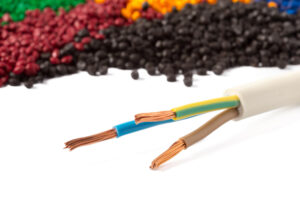
• Conductor Material: Copper offers better conductivity, while aluminium is cost-effective
• Insulation Type: PVC, XLPE, or rubber insulation depending on usage
• Temperature Resistance: Important for industrial and outdoor environments
• Safety Standards: Ensure compliance with relevant IS and industry standards
Selecting cables without evaluating these points may result in performance issues or frequent replacements.
Common Mistakes to Avoid
Many electrical failures occur due to poor cable selection. Avoid these common mistakes:
• Using low-quality or uncertified cables
• Ignoring environmental conditions such as heat, moisture, or chemicals
• Choosing incorrect voltage ratings
• Focusing only on price instead of long-term reliability
A small compromise in quality can lead to major safety risks.
Why Choose Servel India for Electrical Cables
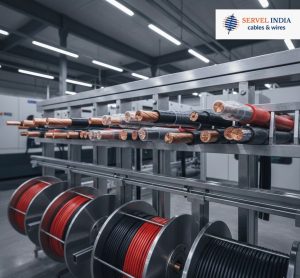
Servel India is a trusted manufacturer of high-quality electrical cable solutions designed to meet modern infrastructure and industrial needs. Our range includes LT cables, industrial cables, and specialized cable solutions engineered for durability, safety, and consistent performance.
With a strong focus on quality control and industry compliance, Servel India delivers reliable cable solutions that industries can depend on.
Conclusion
Choosing the right electrical cables ensures safety, efficiency, and long-term performance of electrical systems. By understanding cable types, voltage requirements, and quality standards, you can make informed decisions that prevent failures and reduce maintenance costs.
Partnering with an experienced manufacturer like Servel India ensures you receive dependable cable solutions built for reliability and performance.